Echoes Across Platforms: How Integrated Support Networks Handle Real-Time Queries Linking Football In-Play Markets, Racing Odds Adjustments, and Casino Game Shifts
Written by Xander Patterson · May 24, 2026
Echoes Across Platforms: How Integrated Support Networks Handle Real-Time Queries Linking Football In-Play Markets, Racing Odds Adjustments, and Casino Game Shifts
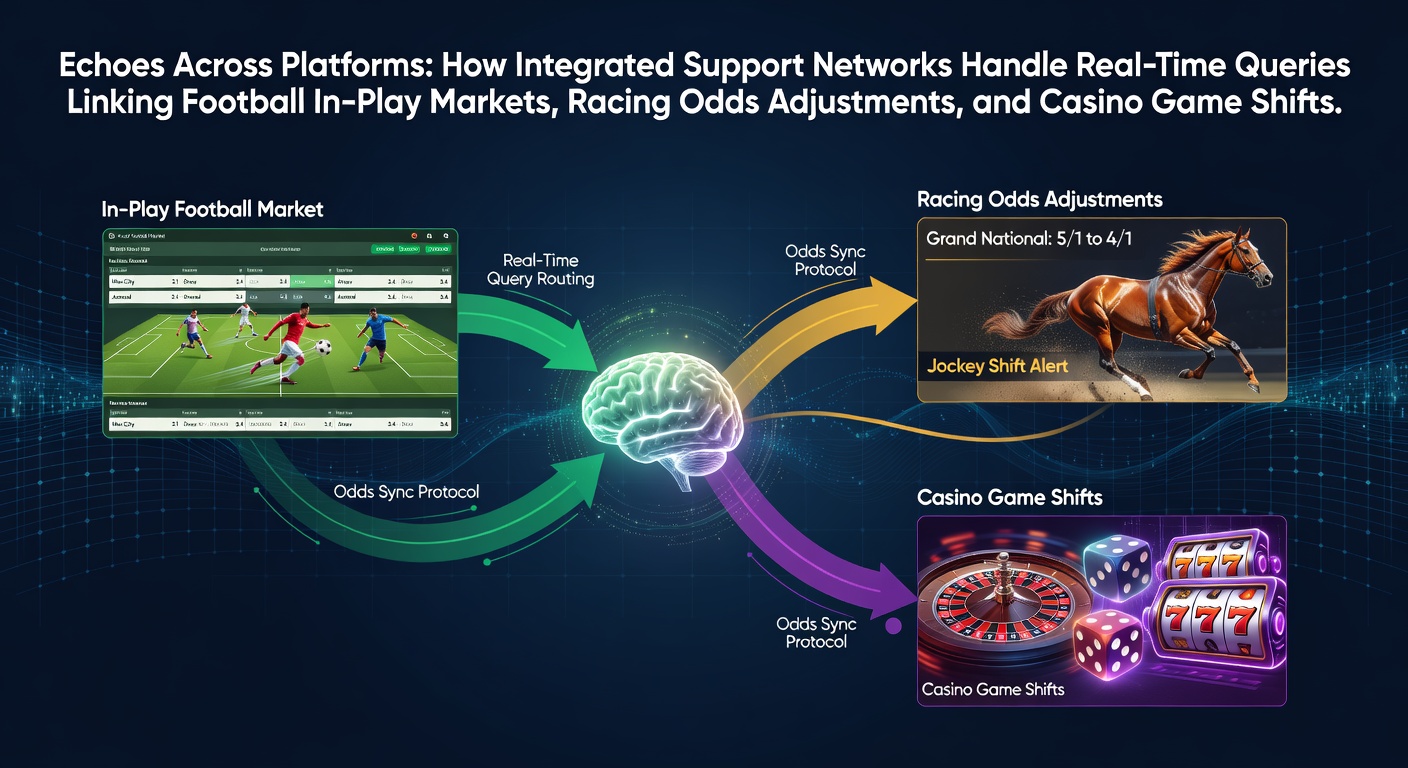
Support networks in betting platforms coordinate responses to live queries that span multiple product types at once, and operators have built systems that route football in-play adjustments, racing odds revisions, and casino game updates through shared channels rather than isolated silos. These networks rely on synchronized data feeds and tiered escalation protocols that allow agents to address a single customer interaction covering events on a pitch, a track, and a virtual table simultaneously.
Coordinated Data Flows Across Product Lines
Real-time queries often arrive through the same mobile session, so networks consolidate information from football match trackers, racing tote systems, and casino random number generators into unified dashboards. According to research from the University of Nevada's International Gaming Institute, platforms that merge these feeds reduce average response times by linking market shifts directly to agent interfaces. When a goal triggers an in-play odds change in football, the same backend update can prompt parallel recalibrations in related racing markets if a customer holds positions across both.
Technicians maintain constant synchronization between these sources because a single delay in one feed can cascade into mismatched information for users who switch between products mid-session. Data from May 2026 shows that peak query volumes during major football fixtures coincided with evening racing meetings, prompting networks to pre-load contingency scripts that cover both domains at once.
Handling Football In-Play Market Fluctuations
Football in-play markets generate rapid query spikes when goals, cards, or substitutions alter probabilities within seconds. Integrated networks route these through automated first-line responses that pull live statistics and then escalate complex cases to human agents who already see linked racing or casino positions in the same customer profile. Observers note that this approach prevents agents from needing to switch between separate terminals, which previously fragmented support during high-volume periods.
Racing Odds Adjustments in Tandem
Racing markets adjust continuously as runners are declared, weather conditions change, or late betting patterns emerge. Support systems connect these revisions to football queries because customers frequently maintain active positions in both, and a single message might reference an odds movement on a horse while an in-play football market shifts elsewhere. Networks use timestamped audit trails that allow agents to verify the sequence of adjustments without reopening multiple systems.
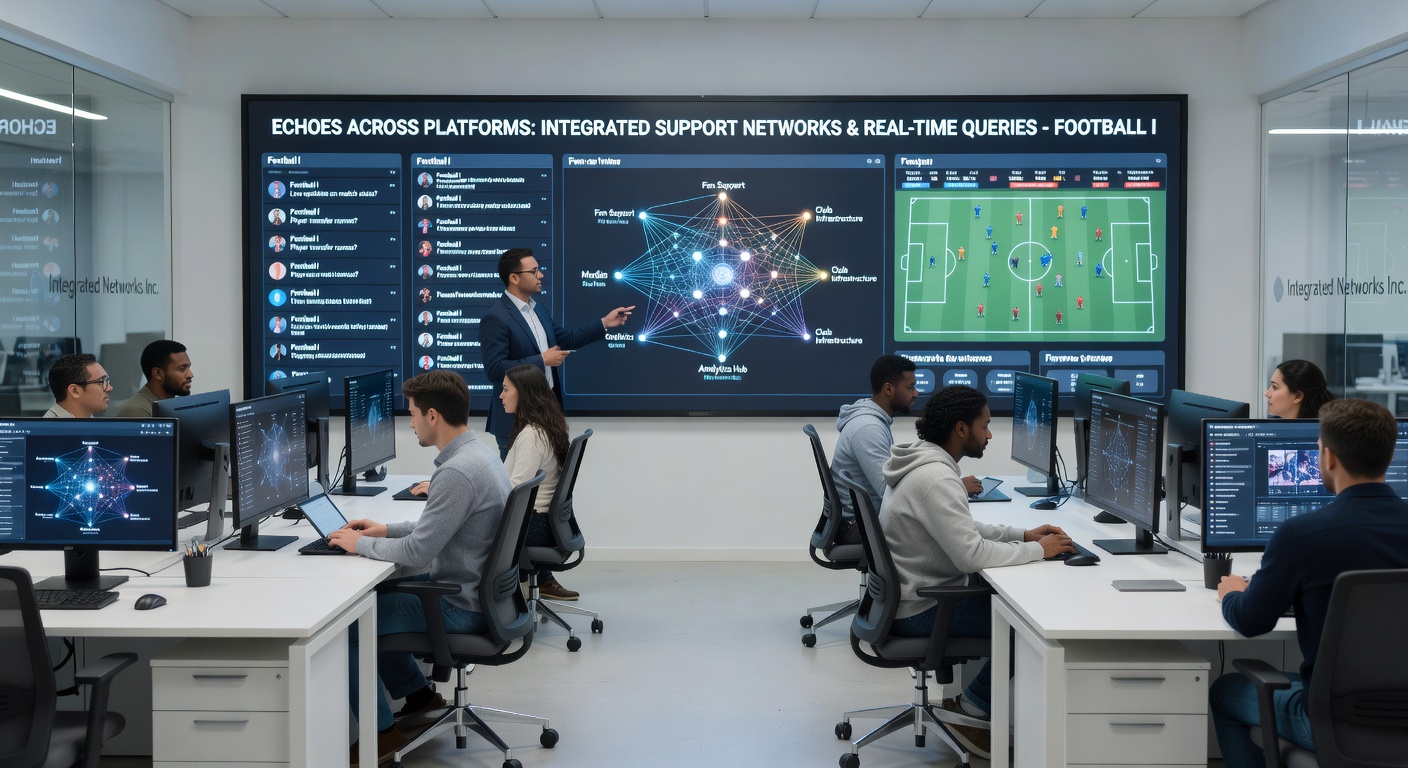
Industry reports indicate that platforms employing cross-product visibility tools handle these combined queries more efficiently than those relying on product-specific teams. Agents access consolidated views that display football timelines alongside racing form guides and casino session logs, so they address the full scope of a user's activity in one exchange.
Casino Game Shifts and Live Interventions
Casino environments introduce additional variables when progressive jackpots trigger, table limits adjust, or live dealer streams encounter technical interruptions. Integrated networks treat these events as extensions of the same query pipeline used for sports markets. When a customer reports an unexpected outcome during a slot session while holding open football and racing bets, agents reference unified records rather than isolated transaction logs. This linkage proves especially relevant during May 2026 tournaments where promotional casino features overlapped with major racing cards and football playoffs.
Studies conducted by the Canadian Centre for Gaming Research highlight how shared escalation paths allow technicians to verify game integrity across verticals without duplicating verification steps. Agents trained on multi-product protocols can confirm whether a casino shift stems from the same data latency affecting racing odds or football in-play feeds.
Technical Architecture Supporting Unified Responses
Backend architectures employ API gateways that normalize incoming data from disparate sources into common formats before routing to support interfaces. These gateways tag each query with context from all active customer positions, so an agent sees football market movements, racing price changes, and casino balance updates in sequence. The approach reduces handoff errors that occurred when separate departments managed each product line independently.
Networks also incorporate predictive routing that anticipates query types based on scheduled events. During overlapping football and racing calendars, systems automatically increase staffing for agents certified across all three domains, ensuring coverage without overstaffing during quieter periods.
Conclusion
Integrated support networks continue to evolve by embedding cross-platform visibility into every layer of query handling, from initial data ingestion through final resolution. Figures reveal that platforms adopting these unified models maintain consistent service levels even when football in-play markets, racing odds, and casino sessions generate simultaneous demands. The architecture ensures that real-time adjustments in one area inform responses in others, creating a cohesive experience for users who engage across multiple betting verticals.