Mapping Support Protocols for Payment Switches and Layered Bonus Triggers in Live Football Markets and Racing Transitions
Written by Felix Klein · Jun 21, 2026
Mapping Support Protocols for Payment Switches and Layered Bonus Triggers in Live Football Markets and Racing Transitions
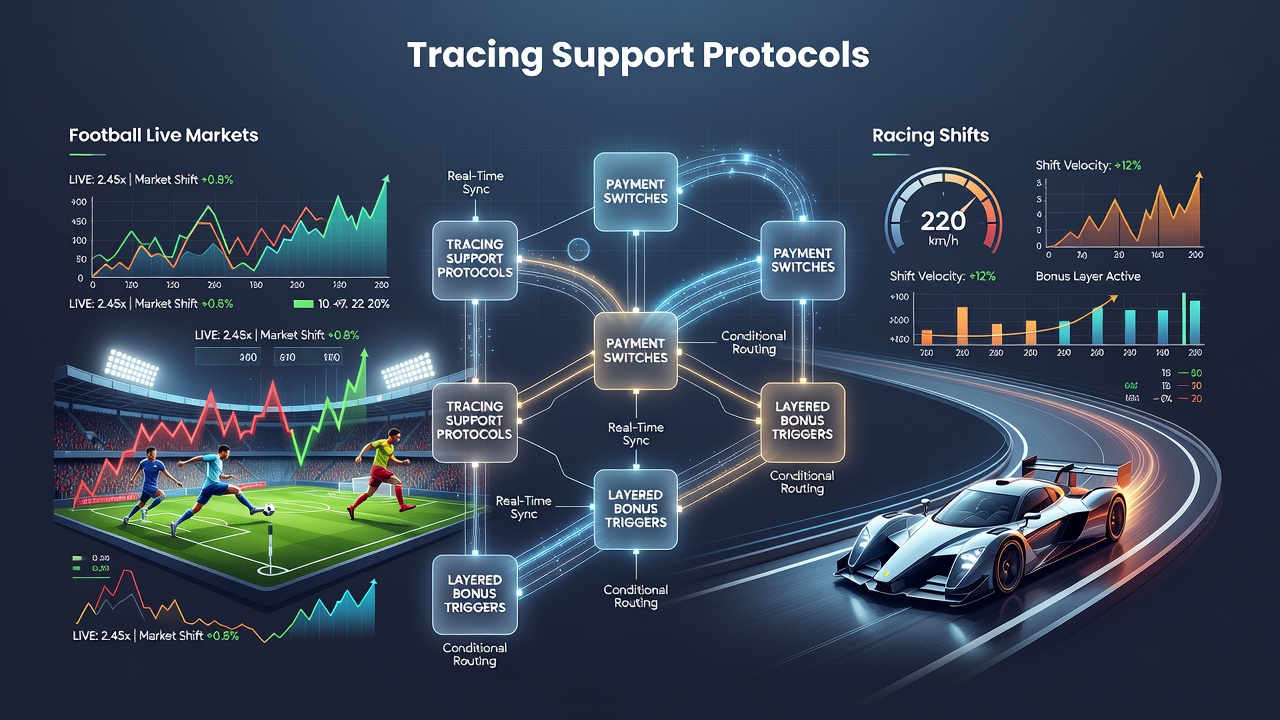
Support protocols in modern betting environments coordinate payment switches with layered bonus triggers across live football markets and racing shifts, creating seamless transitions during high-volume periods. These systems handle real-time adjustments as odds fluctuate in soccer matches or horse racing events, ensuring that payment methods activate corresponding bonus structures without interruption. Data from June 2026 shows increased activity in these integrated setups as platforms manage simultaneous live bets on multiple fronts.
Payment switches refer to the mechanisms that redirect funds between accounts or methods while maintaining session continuity, and they connect directly to bonus layers that unlock at specific thresholds. Observers note that such alignments prevent delays in live markets where timing affects outcomes, particularly during rapid changes in football scores or racing positions.
Core Components of Support Protocols
Support protocols consist of monitoring tools, automated verification steps, and escalation paths that trace every payment switch against active bonus triggers. These elements operate in sequence, with each layer checking eligibility before funds move or bonuses apply. In football live markets, a switch from one payment option to another might trigger an additional bonus level if the bet meets volume requirements, while racing shifts demand similar checks during odds updates.
Research from the Australian Gambling Research Centre indicates that protocol efficiency rises when systems log interactions in centralized databases, allowing quick retrieval of transaction histories. This approach supports both football and racing segments by providing consistent records across different event types.
Integration in Live Football Markets
Live football markets require protocols that respond to in-play events such as goals or substitutions, which often coincide with payment switches initiated by users seeking to adjust stakes. Layered bonuses activate based on cumulative activity, and support systems verify these triggers against payment records to confirm eligibility. Platforms track these alignments through timestamped logs that link each switch to the corresponding bonus stage.
One documented case involved a series of switches during a major European league match in early June 2026, where protocols confirmed bonus activations within seconds of each payment update. Such cases demonstrate how the systems maintain flow without requiring manual intervention for standard operations.
Handling Racing Shifts and Odds Adjustments
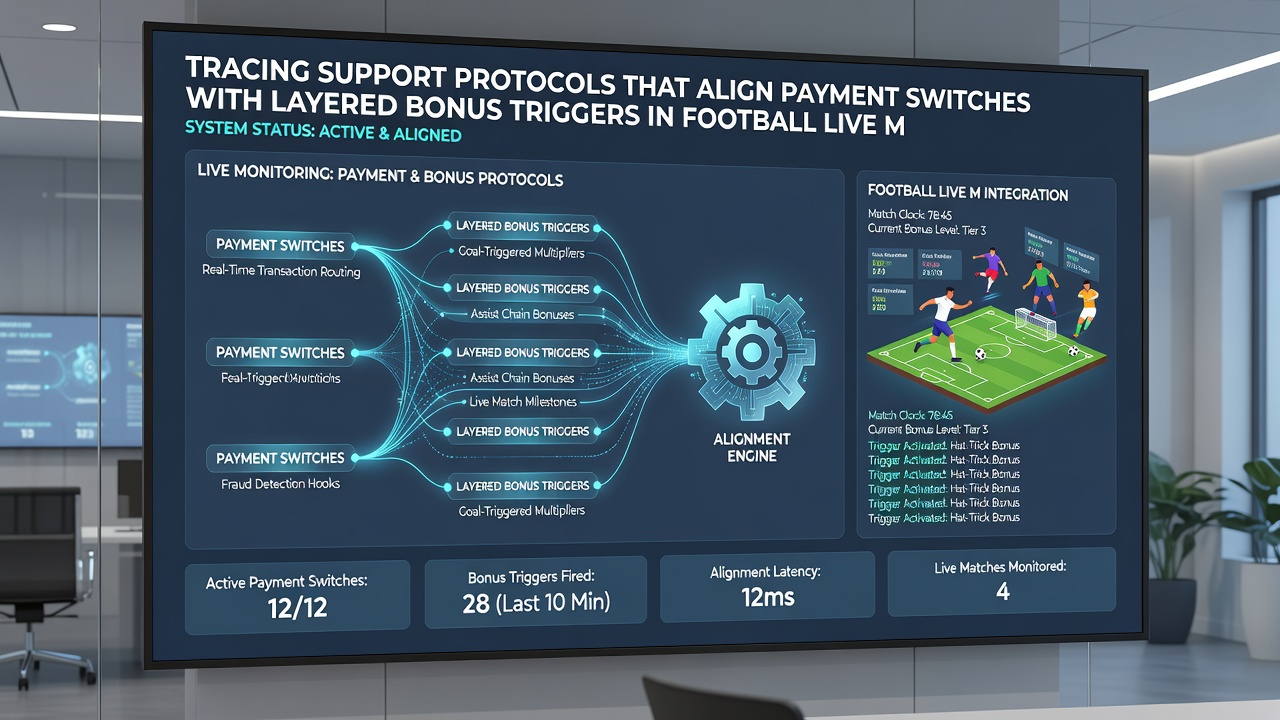
Racing shifts introduce additional complexity because odds change frequently between races or even mid-event in certain formats, prompting users to execute payment switches to capitalize on new opportunities. Protocols align these switches with bonus layers by monitoring the timing and amount of each transaction against predefined trigger points. Evidence from industry reports shows that successful alignments reduce processing errors during peak racing schedules.
Those who manage these systems emphasize the role of sequential verification, where a payment switch first confirms available funds, then checks bonus status before finalizing the action. This method applies equally to flat racing and jump events, ensuring that layered triggers respond consistently regardless of the specific racing discipline.
Tracing Mechanisms and Data Flow
Tracing begins with event capture at the payment gateway level, where each switch generates a unique identifier that protocols match against bonus databases. Subsequent steps involve cross-referencing with live market data from football or racing feeds to validate trigger conditions. In June 2026, updates to these tracing tools incorporated enhanced encryption standards to protect transaction details during high-speed processing.
Figures from the Responsible Gambling Council in Canada highlight how detailed tracing supports compliance reporting by providing auditable paths for every aligned switch and bonus activation. Platforms use this data to refine protocol rules over time without altering core functionality.
Operational Examples Across Segments
Consider a scenario where a user switches payment methods during a live football match to increase stake size, activating a secondary bonus layer tied to total session volume. Support protocols trace the switch through automated checks that confirm the bonus threshold and apply the reward instantly. Similar patterns appear in racing, where a payment switch during odds surges on a particular horse aligns with bonus triggers based on accumulated bets across multiple races.
These examples illustrate the protocols' adaptability, as they handle varying data inputs from football markets and racing events while maintaining alignment accuracy. June 2026 records show steady adoption of such integrated approaches across multiple platforms.
Conclusion
Support protocols that connect payment switches with layered bonus triggers provide structured coordination for live football markets and racing shifts, relying on sequential verification and detailed tracing to function effectively. Data patterns from mid-2026 confirm ongoing refinements in these systems as they accommodate increased transaction volumes. The alignment process remains central to operational continuity in these betting segments.