Synchronizing Loyalty Tiers with Live Data Across Diverse Betting Sectors
Written by Jonas Weber · Jun 30, 2026
Synchronizing Loyalty Tiers with Live Data Across Diverse Betting Sectors
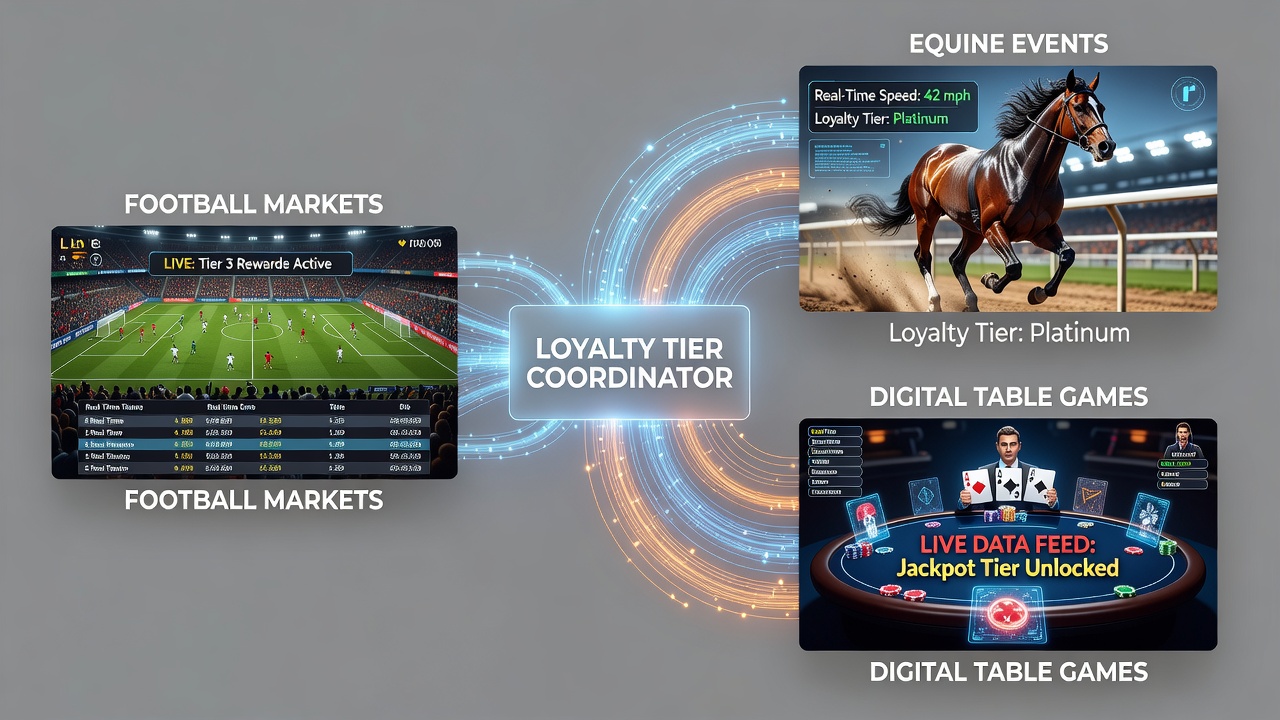
Operators in the betting industry coordinate loyalty tiers through real-time data feeds that pull information from football markets, equine events, and digital table games into unified player profiles, and this integration allows systems to adjust reward levels based on live activity patterns. Data streams update continuously during matches, races, and table sessions, which enables platforms to recalibrate points, bonuses, and tier thresholds without manual intervention.
Core Mechanisms of Data Integration
Real-time feeds aggregate metrics such as wager volumes, win rates, and session durations from multiple verticals, while application programming interfaces connect these inputs directly to loyalty engines that recalculate status levels on the fly. Football markets supply rapid updates on in-play odds fluctuations and accumulator completions, equine events contribute timing data from track results and multi-leg bets, and digital table games deliver spin or hand outcomes that influence point accumulation rates.
Systems apply weighted algorithms to these inputs so that activity in one sector can accelerate progression in another, and observers note that cross-market synchronization reduces fragmentation in player rewards. Research from the American Gaming Association indicates that platforms using such feeds report higher retention metrics during peak periods like the June 2026 tournament schedules.
Application in Football Markets
Football betting platforms feed live score changes, goal timings, and market movements into loyalty databases, which triggers tier upgrades when players hit volume thresholds during high-stakes fixtures. Real-time processing handles the fast pace of in-play wagering so that accumulated points reflect current performance rather than end-of-day tallies, and this approach supports seamless transitions between pre-match and live segments.
Operators combine these streams with historical player data to predict tier eligibility, whereas isolated systems often lag behind actual engagement levels. Those who manage such integrations report that football-specific feeds alone can shift tier statuses within minutes of significant market activity.
Handling Equine Events and Digital Table Games
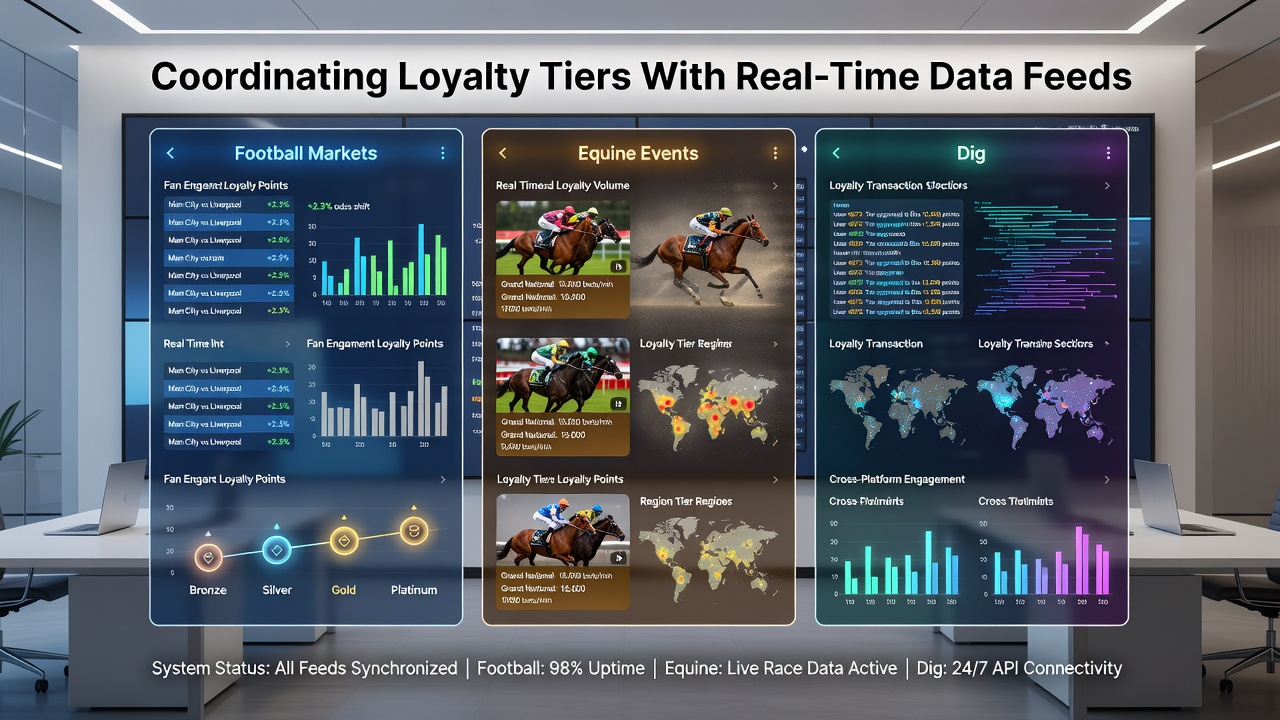
Equine events generate data from race results, jockey performances, and exotic bet outcomes that feed into the same loyalty infrastructure, and platforms adjust rewards based on the frequency of multi-race commitments during festival periods. Digital table games contribute granular metrics from roulette spins, blackjack hands, and poker rounds, which allows loyalty tiers to respond to rapid session cycles that differ markedly from the longer durations typical in sports and racing.
Coordination across these areas relies on standardized data formats that normalize inputs from disparate sources, and industry reports from the Victorian Responsible Gambling Foundation highlight how unified feeds improve accuracy in reward distribution. Points earned on a football accumulator can influence table game bonuses, while race results may unlock tier perks applicable to casino sessions.
Technical and Operational Considerations
Latency management becomes essential because delays in any feed can create inconsistencies in tier calculations, and platforms deploy edge computing solutions to process data closer to the source markets. Security protocols encrypt these streams to protect player information while maintaining the speed required for live adjustments, and testing during June 2026 events revealed the need for fallback mechanisms when primary feeds experience interruptions.
Staff training focuses on interpreting dashboard outputs that combine all three verticals, whereas automated rules handle most routine tier changes. Observers note that successful implementations maintain audit trails that verify every adjustment against the originating data points.
Conclusion
Coordinating loyalty tiers with real-time data feeds establishes a connected framework that spans football markets, equine events, and digital table games, and this method supports consistent player experiences across varied betting activities. Continued refinement of integration techniques will determine how platforms scale these systems in response to expanding market demands.