Tracing Instant Payment Networks Linking Casino Spins To Racing Wagers
Written by Petra Russell · Aug 18, 2026
Tracing Instant Payment Networks Linking Casino Spins To Racing Wagers
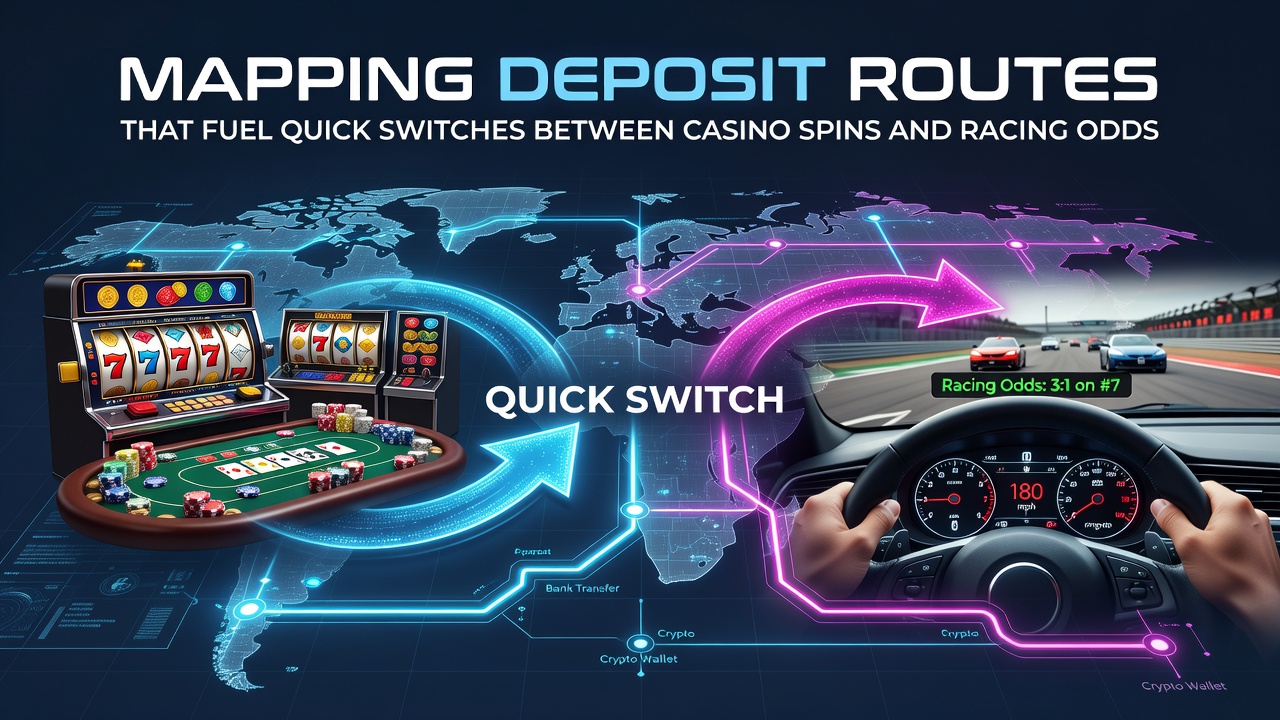
Payment infrastructures have evolved to support rapid fund movements between casino environments and horse racing markets, with operators deploying systems that minimize delays during platform switches. Data from mid-2026 shows increased volumes of transactions crossing these categories during August, as users move balances from reel-based games to live racing odds without extended processing intervals.
Core Deposit Mechanisms In Use
Electronic wallet services and instant bank transfer tools form the primary channels, allowing deposits to clear within seconds rather than minutes or hours. These methods connect directly to both casino software and racing exchange platforms, so a user finishing a slot session can redirect remaining funds toward a pending race bet through a single authorization step. Researchers tracking transaction logs note that e-wallet options reduce average transfer times by connecting user accounts across multiple operator licenses in one workflow.
Bank APIs integrated into betting apps further streamline the process by verifying balances in real time and authorizing transfers before the next race post time arrives. Observers note that such integrations became more widespread after regulatory updates in several jurisdictions during early 2026, which encouraged faster settlement standards without increasing compliance burdens.
Regional Patterns Observed In 2026
Activity logs compiled through the summer months indicate higher cross-category usage in markets where mobile banking apps link seamlessly to gambling operators. In Australia, for instance, reports from the Australian Communications and Media Authority highlight growth in instant deposit volumes that span gaming and wagering verticals during peak racing calendars. Similar patterns appear in Canadian provinces where provincial regulators track payment speeds as part of licensing reviews.
Industry associations such as the American Gaming Association have published summaries showing that operators offering unified deposit dashboards experience elevated session continuity when users shift between casino titles and racing markets. These dashboards display available balances and pending wagers on one screen, cutting the steps needed to move funds.
Security Layers Supporting Rapid Flows
Multi-factor authentication combined with device fingerprinting permits quick approvals while maintaining account integrity across switches. Payment providers embed tokenization so that sensitive details remain protected even during repeated transfers between different betting categories. Those who study transaction security observe that these layers have lowered reversal rates, allowing smoother movement from casino spins into racing odds without triggering additional verification holds.
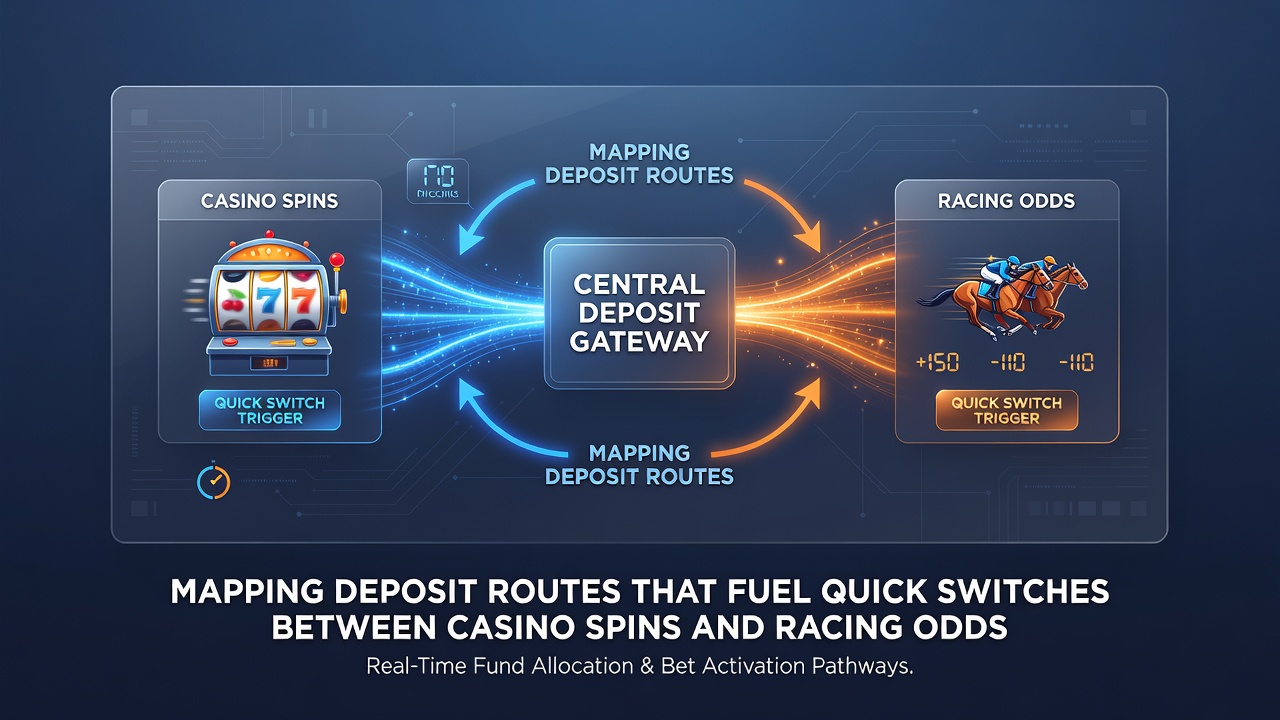
Yet the same systems also flag unusual patterns automatically, pausing transfers only when risk thresholds are crossed rather than applying blanket delays. This selective approach keeps most routine switches uninterrupted while still meeting oversight requirements.
Operator Implementation Examples
Platforms that maintain separate casino and racing licenses often route deposits through centralized payment processors, which then allocate funds to the chosen vertical within the same user session. Case studies reviewed by academic researchers at institutions examining digital finance show that these processors cut reconciliation time by maintaining mirrored ledgers for each category. One documented workflow lets a player deposit once, play slots briefly, then allocate the same deposit pool toward a horse racing accumulator without logging into a separate portal.
August 2026 records indicate that operators using such unified processors saw measurable upticks in same-day activity spanning both verticals, particularly around major racing festivals that overlap with casino promotions.
Future Infrastructure Directions
Developments in real-time settlement rails continue to shorten the interval between authorization and availability across categories. Payment networks are testing protocols that allow micro-transfers to move from casino balances directly into racing stake fields while preserving audit trails for regulators. Industry reports suggest these protocols will expand geographic coverage by the end of 2026, particularly in regions where cross-vertical licensing already exists.
Conclusion
Mapping the deposit routes that connect casino spins to racing odds reveals a network of e-wallets, bank APIs, and unified processors designed for speed and traceability. Records from regulatory bodies and industry groups confirm that these systems handled rising volumes through August 2026 while maintaining security standards. Continued refinement of instant settlement tools points toward even tighter integration between the two betting categories in coming periods.