Tracing Transaction Pathways in Mobile Betting Ecosystems
Written by Jonas Weber · May 29, 2026
Tracing Transaction Pathways in Mobile Betting Ecosystems
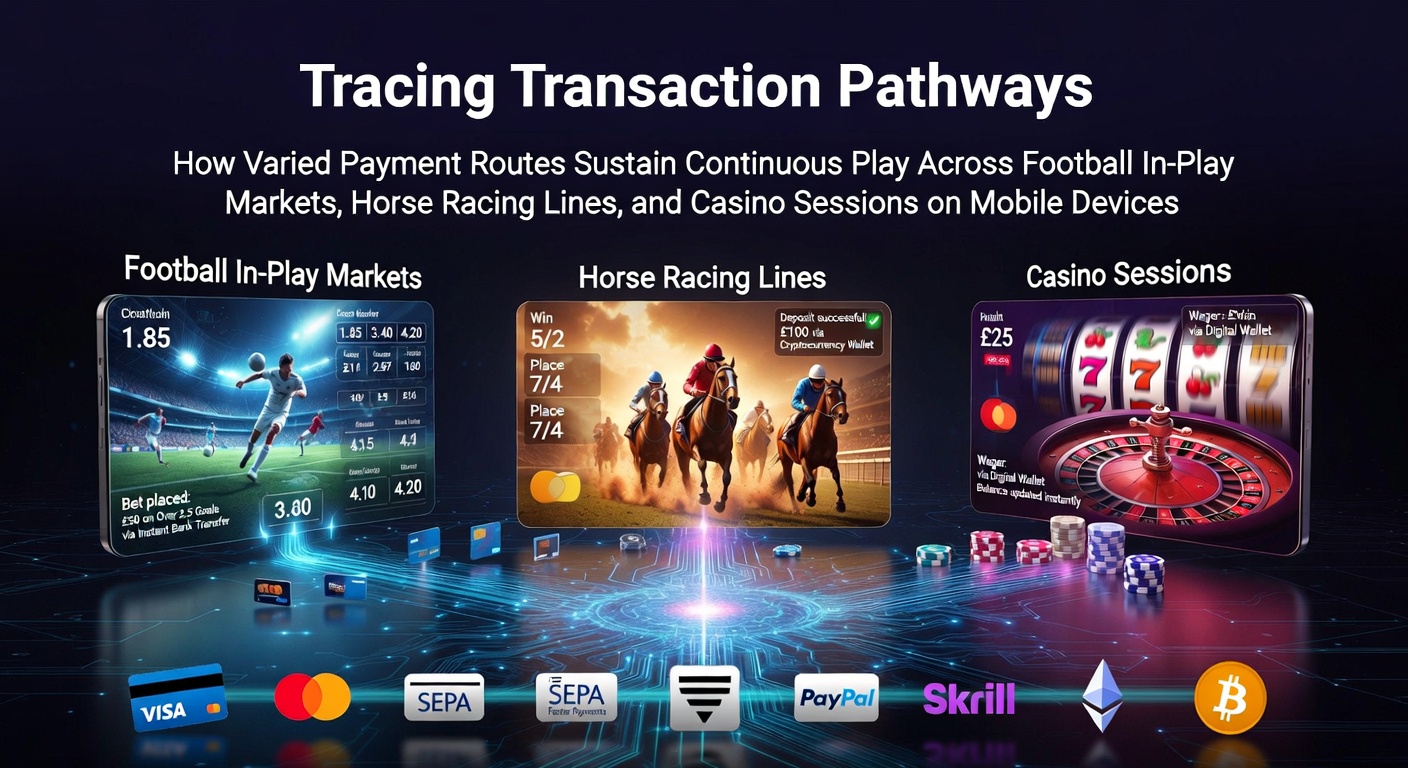
Digital payment networks have expanded to support uninterrupted activity across football in-play markets, horse racing lines, and casino sessions on mobile devices, with transaction pathways designed to handle rapid shifts in odds and game states. Observers note that these routes rely on multiple channels including bank transfers, electronic wallets, and card networks to process deposits and withdrawals within seconds during active events, and data from industry reports shows increased adoption rates through 2026.
Core Mechanisms of Payment Route Integration
Transaction pathways function through layered connections between user accounts, operator platforms, and financial processors where each route prioritizes speed and verification protocols to maintain session continuity. Researchers have documented how mobile applications route requests via APIs that connect directly to payment gateways, allowing funds to move without requiring users to exit betting interfaces. This setup proves essential when markets update in real time, since delays can interrupt participation in evolving scenarios across sports and gaming formats.
According to figures from the European Gaming and Betting Association, transaction volumes in mobile environments rose notably during early 2026, reflecting broader reliance on diversified payment options that accommodate both high-frequency in-play adjustments and extended casino play periods. Those who've examined these systems find that redundancy in routes, such as fallback from one wallet provider to another, reduces interruptions when primary channels encounter temporary constraints.
Football In-Play Market Dynamics
In football in-play markets, payment pathways enable quick top-ups during matches where goal opportunities or card events trigger immediate odds changes. Mobile users often initiate deposits through integrated banking apps that confirm transfers in under ten seconds, keeping balances aligned with live betting opportunities. Studies indicate that operators configure these routes to handle micro-transactions repeatedly within a single game, supporting sequences of wagers without forcing account logouts or manual reloads.
Pathway efficiency becomes evident when multiple users access the same match simultaneously, as backend processors distribute load across regional servers to prevent bottlenecks. Evidence suggests that seamless fund movement correlates with sustained engagement levels, particularly in markets featuring extended halves or extra time where betting windows remain open continuously.
Horse Racing Lines and Rapid Settlement Routes
Horse racing lines depend on transaction pathways that accommodate fast-paced odds fluctuations between races, with mobile systems routing payments to cover entries or adjustments right up to the starting gate. Data shows that electronic wallet integrations allow withdrawals from prior wins to fund subsequent bets within the same meeting, maintaining momentum across multiple events. Operators apply verification layers that operate in parallel with racing schedules, ensuring compliance without halting user activity.
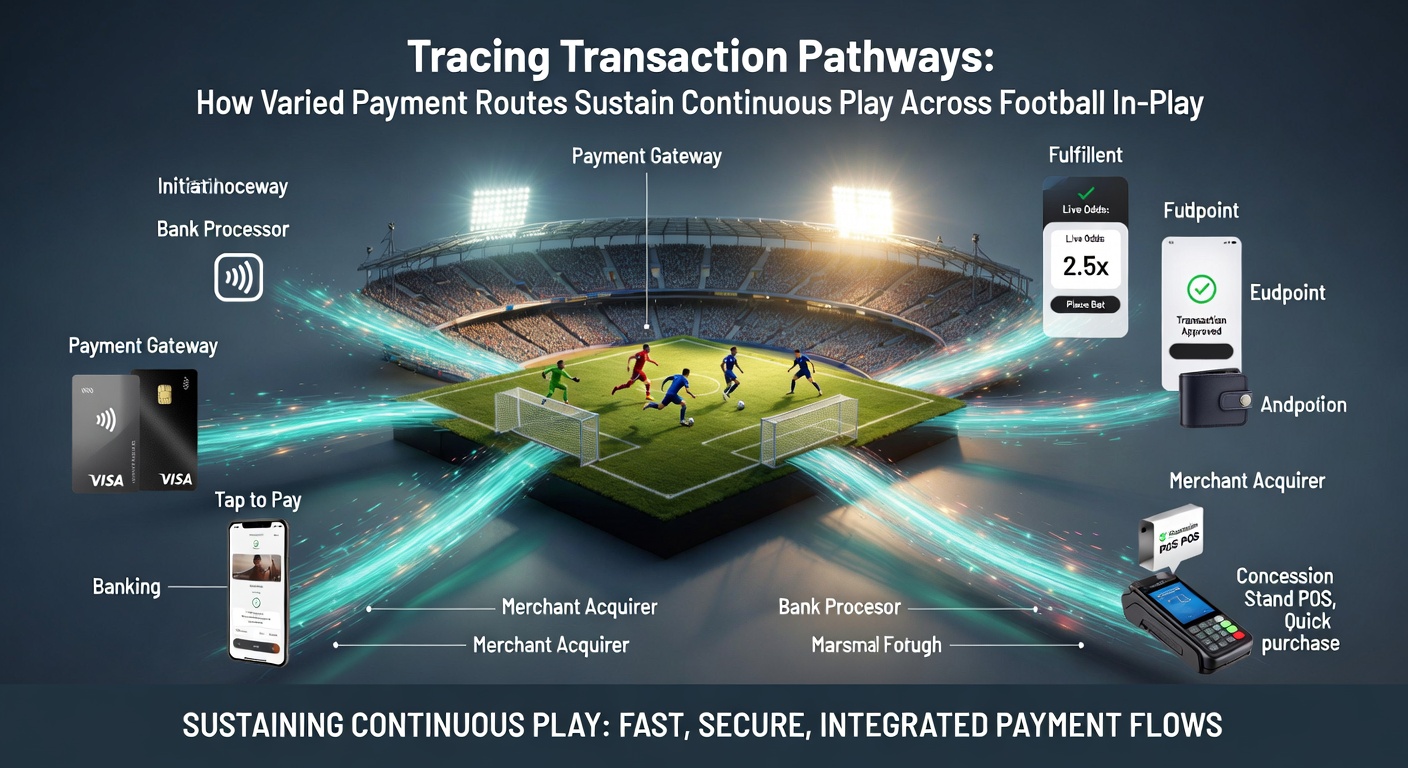
One case examined by payment technology analysts revealed that diversified routes, combining instant bank links with stored value accounts, supported higher volumes during peak racing days in May 2026. These configurations route funds through secure tunnels that prioritize low-latency processing, allowing participants to respond to late scratchings or track condition updates without financial interruptions.
Casino Session Continuity on Mobile
Casino sessions utilize payment pathways optimized for repeated small-stake interactions, where users transition between table games and slots while maintaining active balances through automated top-up features. Transaction logs indicate that mobile platforms employ persistent connections to processors, enabling deposits during bonus rounds or streak periods without session resets. Research from academic sources on digital gaming infrastructure highlights how these routes incorporate fraud detection that runs concurrently with play, preserving flow while addressing security requirements.
Observers note that cross-format continuity arises when the same payment credentials serve football, racing, and casino environments interchangeably, reducing the need for separate account management. Figures reveal steady growth in such unified pathways as operators expand mobile compatibility across regions.
Broader Patterns in May 2026
By May 2026, transaction pathway developments had incorporated additional security protocols that support regulatory standards from bodies such as those in Australia and the EU, allowing varied routes to operate without compromising speed. Industry data indicates that users increasingly select payment methods based on route reliability during live periods, favoring options that deliver confirmations aligned with event timelines. This pattern holds across device types, with applications optimizing for both high-speed networks and variable connectivity conditions.
Conclusion
Payment route networks sustain continuous mobile activity by connecting financial systems directly to betting platforms in football in-play markets, horse racing lines, and casino sessions. These pathways, refined through ongoing technical adjustments, ensure funds remain accessible amid dynamic conditions while adhering to verification standards. Continued evolution in these systems aligns with rising transaction volumes reported through 2026, supporting operational stability across multiple formats.