Transaction Velocity's Influence on Retention Dynamics in Soccer Markets, Equine Events, adn Digital Table Platforms
Written by Petra Russell · Jun 26, 2026
Transaction Velocity's Influence on Retention Dynamics in Soccer Markets, Equine Events, adn Digital Table Platforms
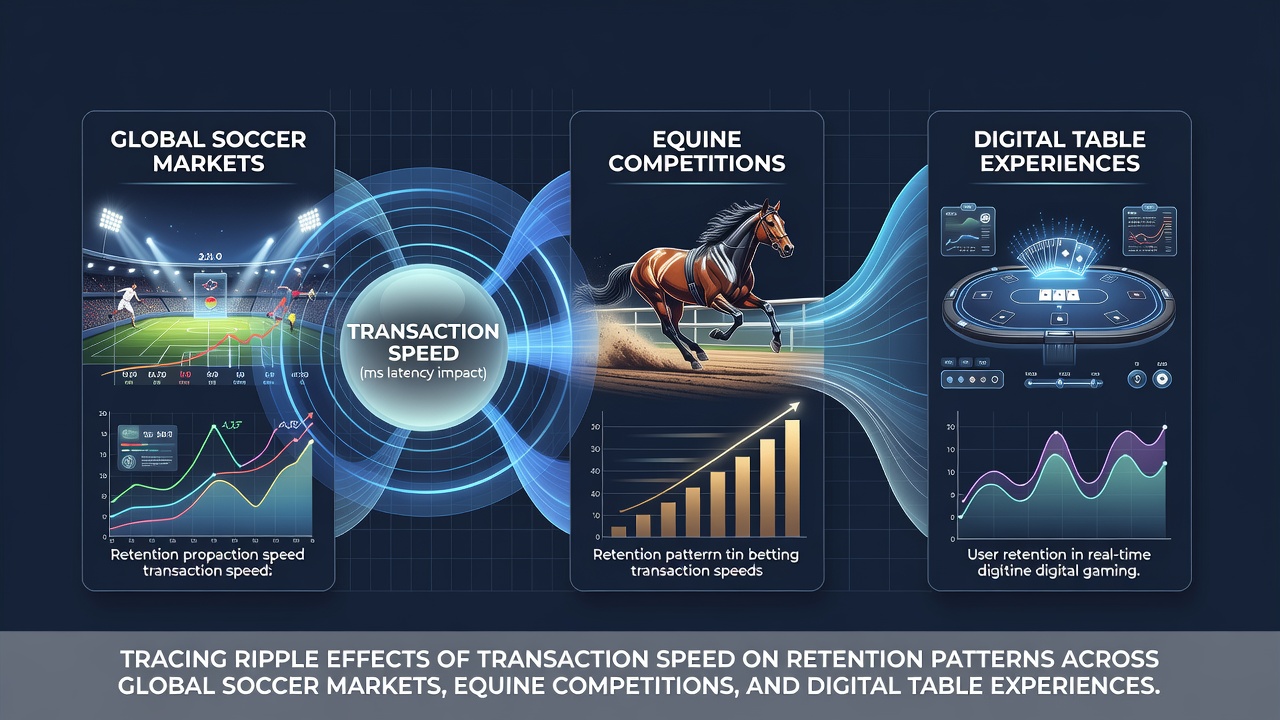
Transaction speed has emerged as a measurable factor in how operators retain users across soccer betting markets, equine competitions, and digital table experiences, with data from multiple regions indicating clear correlations between processing times and repeat engagement levels. Faster deposits and withdrawals allow participants to maintain momentum during live events, while slower systems often lead to session abandonment according to industry tracking tools.
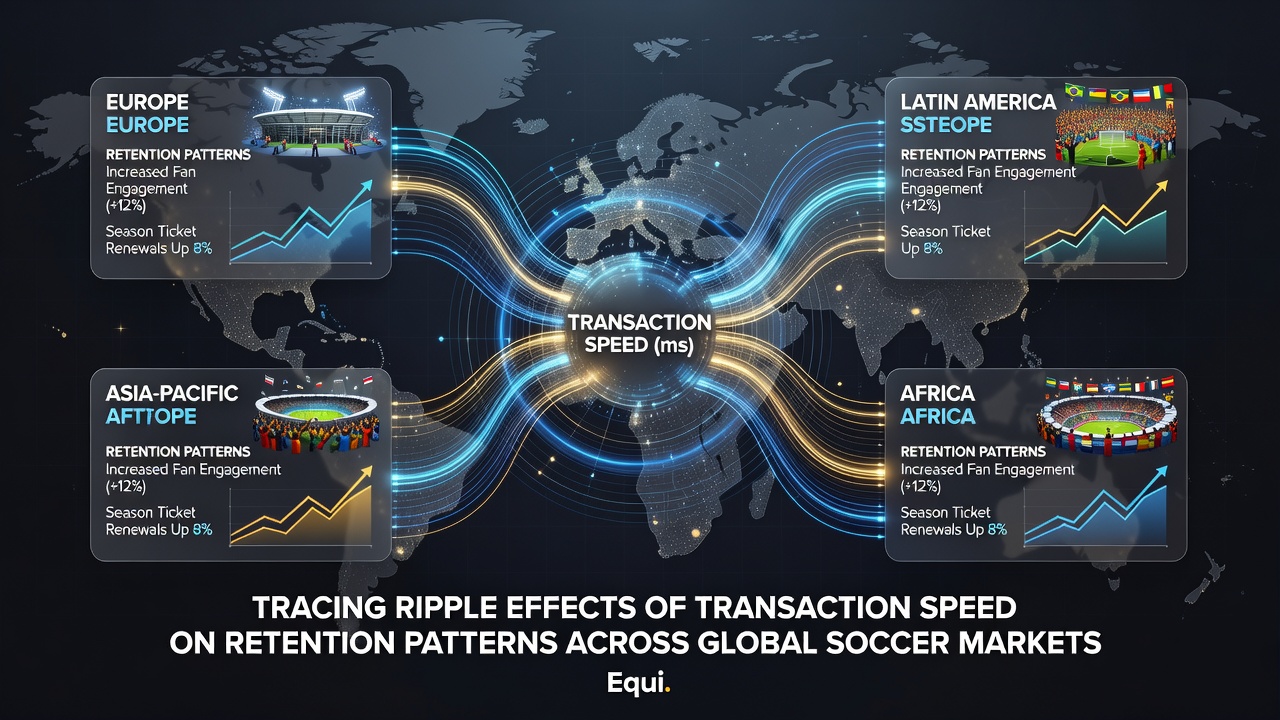
Global soccer markets demonstrate particularly pronounced effects because in-play betting requires rapid fund movement to capitalize on shifting odds during matches. Observers note that platforms achieving sub-five-second deposit confirmations report higher session extensions in European and Asian leagues, where users frequently switch between multiple fixtures in a single evening. Research from academic institutions tracking user logs shows that retention rates climb when transaction friction drops below thresholds that interrupt decision-making flows.
Patterns Observed in Equine Competitions
Equine events present a different set of timing pressures because races unfold in compressed windows compared to soccer matches that span ninety minutes plus stoppage time. Bettors at tracks or through digital channels often place wagers minutes before post time, so delays in balance updates directly reduce participation in subsequent races on the card. Data collected across Australian and North American circuits reveals that operators implementing instant wallet integrations retain a larger share of daily active users through multi-race sequences.
Those studying retention metrics point out that equine platforms benefit when withdrawals process before the next race card begins the following day, creating a cycle where winnings fund continued activity without external top-ups. This pattern holds across both on-site kiosks and mobile applications used by international audiences following major festivals.
Digital Table Experiences and Cross-Market Retention
Digital table games such as roulette and blackjack introduce yet another layer because sessions tend to run continuously rather than following fixed schedules like sports events. Faster transaction rails enable players to replenish balances mid-session without leaving the interface, a feature that analysts link to extended play periods in regulated markets. Figures from Canadian provincial regulators indicate that sites offering near-instant deposits see measurable upticks in weekly return visits among table game enthusiasts.
What's notable is how these three verticals interact through shared user bases. Participants who experience seamless payments in soccer in-play often expect identical performance when switching to horse racing or table sessions later the same day. Platforms that standardize transaction speed across categories report more stable retention curves, whereas fragmented systems create drop-off points where users migrate to competitors.
Global Data Points Emerging in Mid-2026
By June 2026, several regulatory bodies outside the UK had published preliminary findings on transaction-related retention. The American Gaming Association highlighted that US state-licensed platforms with sub-second payment confirmation recorded stronger month-over-month retention in both sports and casino verticals. Meanwhile, reports from the Australian Gambling Research Centre noted similar trends among equine betting applications, where instant settlement features correlated with higher return rates during winter racing carnivals.
These observations align with broader industry tracking that shows transaction speed acting as a multiplier rather than an isolated variable. When soccer markets experience high liquidity during major tournaments, users who encounter delays often reduce activity across all verticals on the same account, creating ripple effects that operators monitor through cohort analysis.
Operational Adjustments Across Regions
Operators have responded by integrating unified payment processors that handle soccer, racing, and table transactions through the same backend infrastructure. This approach reduces variance in processing times and allows consistent user experiences regardless of which market segment a participant enters. European and Asian platforms, in particular, have adopted multi-currency instant rails to serve international audiences following overlapping event calendars.
Case examples from Singapore-regulated operators demonstrate that standardizing speed metrics leads to more predictable retention patterns, especially when users alternate between live soccer bets adn evening table sessions. Researchers tracking these shifts emphasize that the effect compounds over time, with users forming habits around platforms that minimize interruptions.
Conclusion
The relationship between transaction velocity and retention continues to evolve as technology advances and user expectations rise across soccer, equine, and digital table segments. Data gathered through 2026 indicates that consistent, rapid processing supports sustained engagement while variability tends to fragment activity across competing platforms. Future tracking will likely focus on how emerging payment methods further compress these timelines in global markets.