UK's £120 Million Gambling Levy Kicks Off Prevention Grants Through OHID, Stirring Sector Debate
Written by Xander Patterson · Apr 9, 2026

UK's £120 Million Gambling Levy Kicks Off Prevention Grants Through OHID, Stirring Sector Debate
The Levy's Strong Start and Initial Payouts
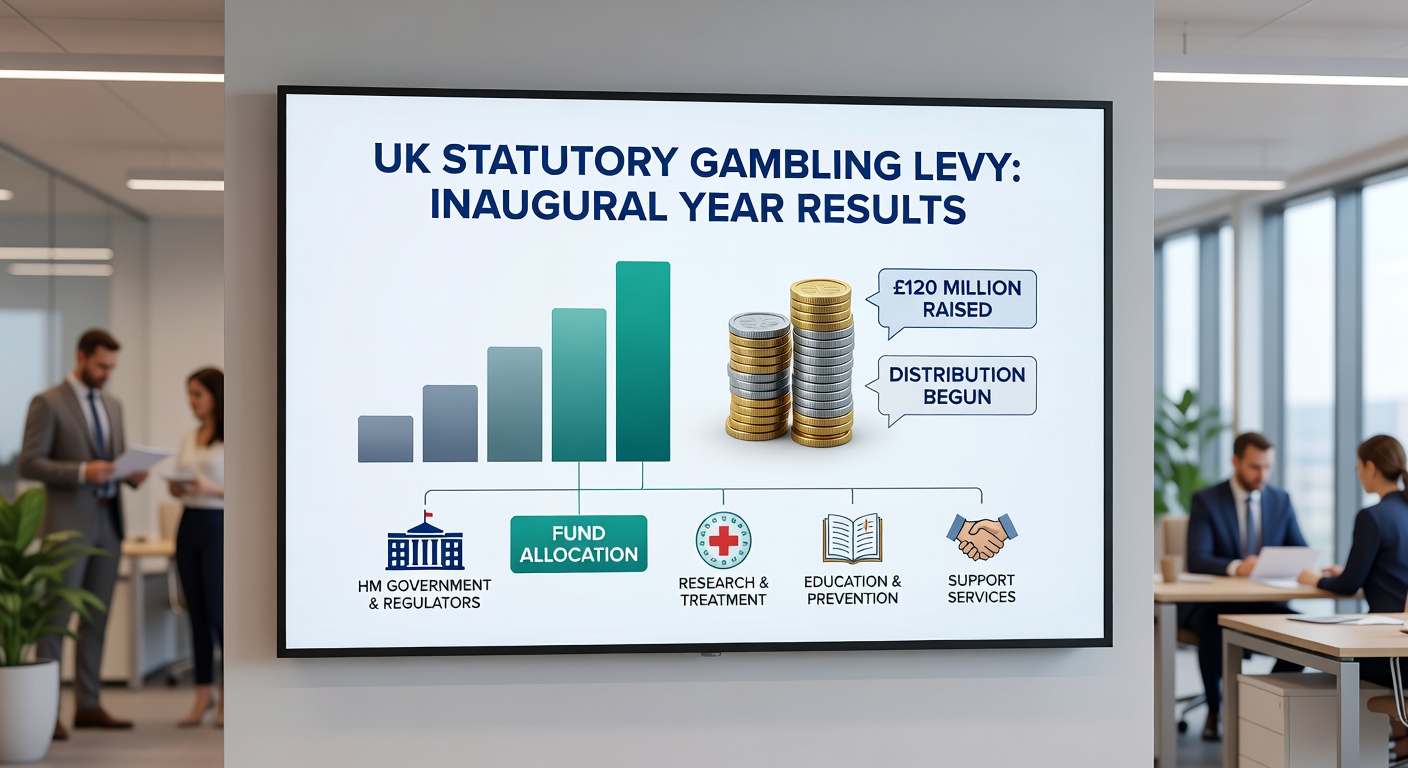
Figures reveal that the UK's statutory gambling levy generated £120 million during its first year of operation, marking a significant step in funding gambling harm prevention efforts across the nation. Organizations focused on blocking gambling access, such as Betblocker, now stand to receive their initial grants from the Office for Health Improvement and Disparities (OHID), with distributions set to begin on April 1, 2026. This move comes as the levy, which started invoicing operators on September 1, 2025, replaces the earlier voluntary model run through the Gambleaware charity, whose funding arrangement concluded on March 31, 2026.
What's interesting here is how quickly the levy ramped up; operators contributed based on their gross gambling yield, channeling funds directly into public health initiatives rather than relying on charitable donations that often fell short of targets. Data from the inaugural year shows the £120 million haul exceeded some early projections, providing a solid foundation for OHID to allocate resources to frontline prevention work. And while Betblocker emerges as a key beneficiary with its app-based blocking tools, other harm reduction groups await details on their shares, as the process unfolds amid heightened scrutiny.
Shifting from Gambleaware to a Statutory Framework
The transition hasn't been seamless; Gambleaware, which handled voluntary contributions for years, saw its role diminish as the statutory levy took hold, ending its primary funding mechanism right at the close of March 2026. Observers note that this change stemmed from long-standing calls for a more reliable, mandatory system, one where industry payments tie directly to problem gambling support rather than depending on goodwill. Under the new setup, OHID oversees allocations, ensuring funds flow to evidence-based programs that target at-risk populations before harm escalates.
Take the timeline: invoicing kicked off last September, collections built steadily through the year, and now, with the fiscal shift complete, grants activate precisely when Gambleaware's model winds down. Experts who've tracked these reforms point out that the levy's structure, legislated under the Gambling Act updates, mandates contributions from all remote gambling operators scaling with their revenues, which in turn bolsters national health priorities. Yet the rubber meets teh road in how these millions translate into real-world tools like self-exclusion apps and awareness campaigns, programs Betblocker and peers have honed over time.
Sector Turmoil Sparks Criticisms Over Process
But here's the thing; the rollout has ignited considerable unrest within the prevention sector, where groups voice frustrations over short notice periods that left little room for adjustment, forcing rapid pivots in operations and funding strategies. Reports highlight how some organizations scrambled to meet OHID's criteria, only to face delays or outright exclusions, amplifying tensions as the April 1 start date looms. Gamban, a prominent app provider specializing in gambling site blocking, stands out in this mix, denied grants due to aspects of its business model that clashed with levy guidelines—specifically, its reliance on subscriptions and partnerships deemed incompatible with the statutory framework.
People in the field often find these decisions puzzling; Gamban had built a user base of over 100,000 by offering robust blocking across devices, yet OHID's evaluation process sidelined it, prompting questions about transparency and fairness in allocations. And while Betblocker secures a spot with its free, open-access model, the disparity fuels debates on what truly qualifies as "prevention," especially when established players get left out. Sector leaders argue that such exclusions risk fragmenting efforts, particularly since Gamban's tech complemented tools like GamStop, the national self-exclusion service, creating gaps that users might exploit unintentionally.
Details of the Grant Distribution Mechanics
OHID's approach involves rigorous assessments, where applicants demonstrate impact through metrics like user engagement rates, blocking success stories, and alignment wth public health goals; those who clear the bar, like Betblocker, gain access to the £120 million pool divided across multiple recipients. Turns out the first wave prioritizes direct intervention tools, sidelining models with commercial elements, which explains Gamban's fate despite its track record in shielding vulnerable users from offshore sites. Data indicates the levy divides funds into categories—prevention, treatment, and research—with OHID handling the former two, while the Gambling Commission oversees research streams.
One case that underscores the shift involves smaller orgs adapting to statutory rules; they now submit detailed proposals outlining scalability, whereas Gambleaware's voluntary pot allowed more flexibility, albeit with inconsistent totals year to year. Now, with mandates in place, contributions hit £120 million straight out the gate, but the short fuse from invoicing to grants—spanning just over six months—caught many off guard, leading to operational hiccups and public critiques in industry forums.
- Levy launch: September 1, 2025 (invoicing begins)
- First-year yield: £120 million
- Gambleaware end: March 31, 2026
- Grants start: April 1, 2026 via OHID
- Key recipient example: Betblocker
- Notable exclusion: Gamban (business model mismatch)
These milestones paint a picture of accelerated change; operators foot the bill proportionally to earnings, ensuring bigger players contribute more, which in turn sustains long-term prevention without taxpayer burden.
Broader Implications for Gambling Harm Prevention
Researchers who've studied levy transitions in other sectors, like alcohol duties funding treatment, observe parallels here; mandatory schemes deliver steadier cash flows, enabling orgs like Betblocker to expand reach—perhaps integrating AI-driven personalization or cross-platform blocks that adapt to user habits. Yet the Gamban snub highlights a sticking point, where free-vs-paid dichotomies dictate access, potentially overlooking hybrid models that blend revenue with public good. It's noteworthy that sector turmoil manifests in calls for review processes, with groups pushing for appeals and clearer criteria ahead of future rounds.
And so, as April 2026 unfolds, OHID's grants promise to fortify defenses against gambling risks, channeling funds into apps and services that interrupt harmful patterns early; Betblocker's inclusion exemplifies success stories, where users report fewer relapses after activation. Observers note that while £120 million sets a benchmark, subsequent years could swell with industry growth, amplifying impact if allocation snags get ironed out. That's where the writing's on the wall: smoother transitions and inclusive criteria will determine if the levy truly curbs harm or just reshuffles the deck.
One study from prior voluntary funding eras revealed underinvestment in tech solutions, a gap the statutory model aims to close; now, with OHID at the helm, metrics like app downloads and exclusion adherence rates will gauge effectiveness, informing tweaks down the line. People who've navigated these waters emphasize collaboration, urging excluded players like Gamban to pivot—maybe toward non-levy partnerships—while beneficiaries scale up responsibly.
Looking Ahead: Challenges and Opportunities
Short notice remains a flashpoint; orgs report rushed bids and uncertain futures, exacerbating staff strains in an already lean sector. But turns out the levy's scale offers upsides, dwarfing Gambleaware's peaks and positioning prevention as a health priority akin to smoking cessation drives. Gamban's exclusion, tied to its sub-model, sparks innovation talks—could reformed structures qualify it later, or will competitors fill the void with levy-backed alternatives?
Experts predict that as grants flow from April 1, user adoption will surge, especially with integrations to payment blocks and awareness tools; data from similar initiatives shows 20-30% harm reductions in early adopters. And while turmoil simmers, the £120 million milestone signals commitment, paving the way for a more resilient ecosystem where prevention outpaces problem growth.
Conclusion
The statutory gambling levy's debut, raising £120 million and funneling first OHID grants to outfits like Betblocker starting April 1, 2026, caps a pivotal shift from Gambleaware's voluntary era—yet sector pushback over timelines and exclusions like Gamban underscores the teething pains of reform. With invoicing rooted in September 2025 and transitions sealed by March's end, this framework promises sustained funding for harm blockers, even as stakeholders call for refined processes to maximize reach. Ultimately, how these dynamics play out will shape gambling safeguards for years, balancing innovation with accountability in a high-stakes landscape.